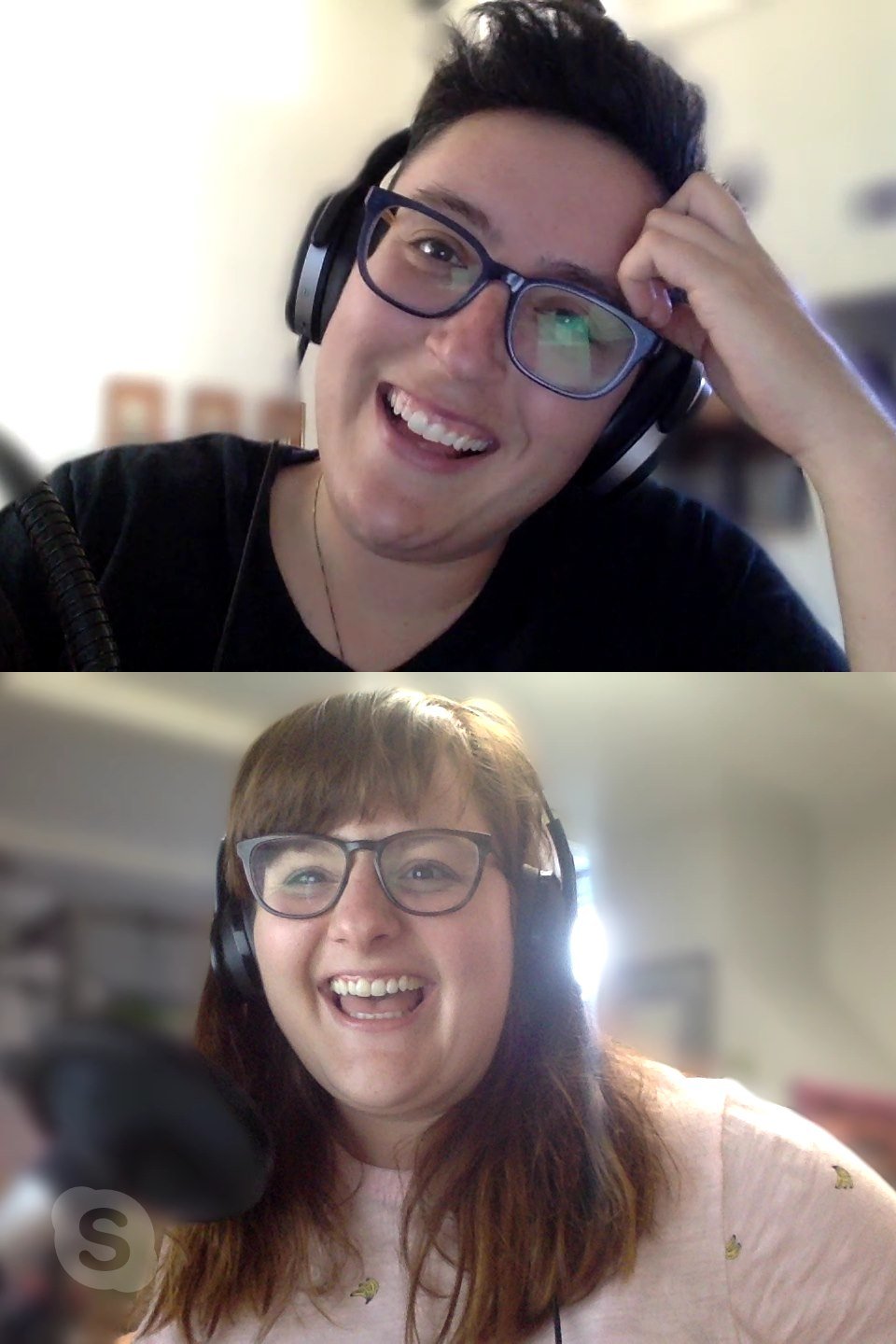
Anna and Amber chat with Dr. Tracie Canada a socio-cultural anthropologist whose ethnographic research uses sport to theorize race, kinship and care, gender, and the performing body. We talk about the lived experiences of Black athletes, the role of sports in human society, the many health implications of a contact sport, and more.
Read MoreWe’re back! Here’s what’s new, what’s changing, and what will be the same.
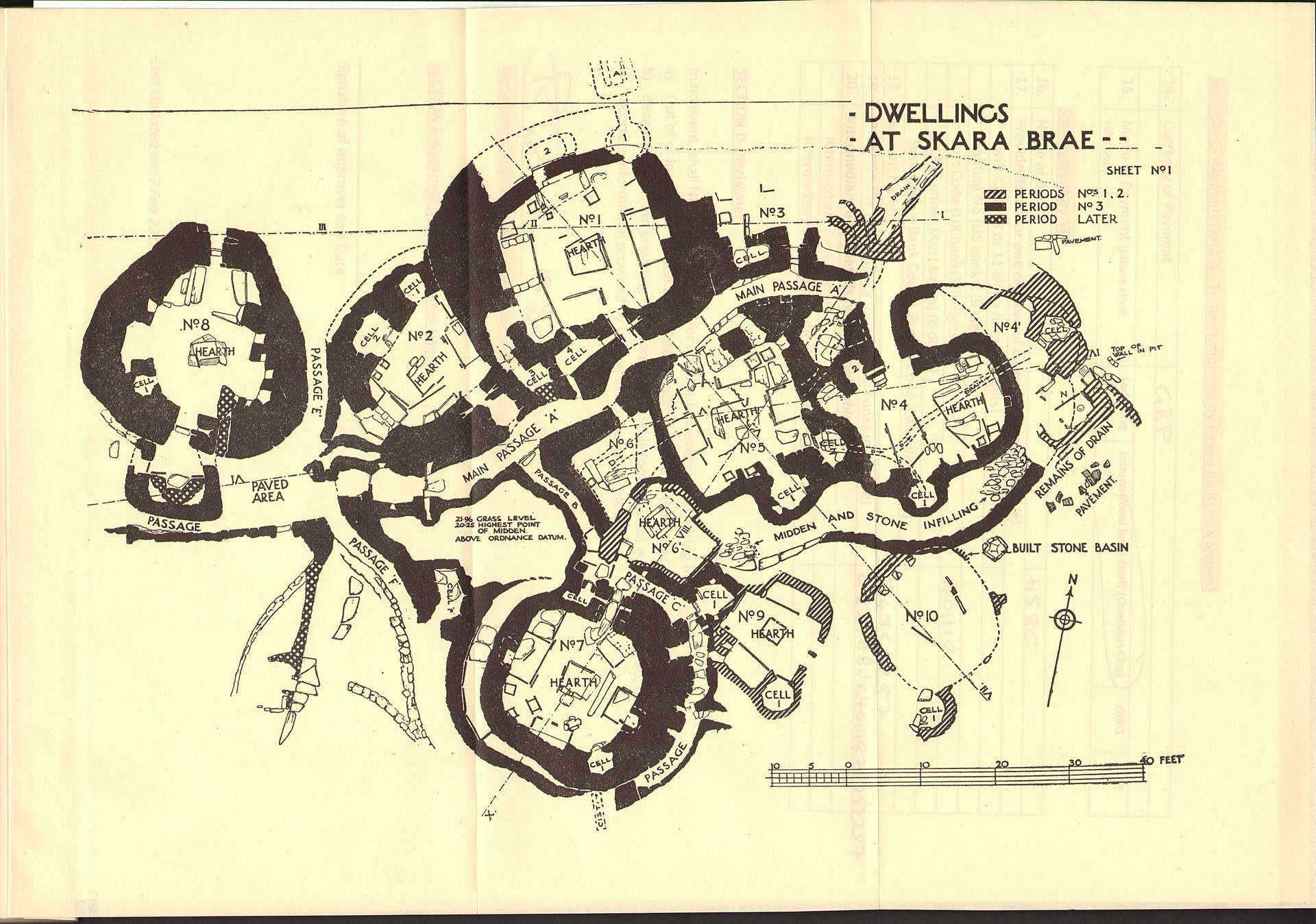
Read MoreTruly we are talking ancient history, since “Cladh Hallan: A Story in Several Parts” was episode 18. That was way back in 2018, long before the content that was migrated to the APN feed. This may be the first time some longtime listeners (including you?) have heard this story, and we’ll round it out with some additional context for the subject matter.
Read MoreTheater as public entertainment has taken many forms throughout time and among different cultural groups. We’ll hop through various times and places to look at the places where performances were held, the types of pieces performed, and the role of theater as an emotional pocket dimension.
Read MoreCandace Lukasik is an anthropologist and ethnographer whose research focuses on the intersections of transnational migration, religion, race, and empire. We learned so much in this episode! It's always such a treat to have a guest with a perspective from one of the anthropological fields other than archaeology. We hope you enjoy it and we hope it gives you all lots to think about!
Read MoreThere have been an awful lot of news stories lately featuring “lost” sites or structures “revealed” by the effects of drought and climate change. Way to look on the positive side, I guess! We’ll take a look at some of these sites and more broadly, the effects of climate change on current archaeology. Both of your tired hosts were a bit punchy during recording, so this episode is ever so slightly goofy despite the gravity of the topic. But we hope you enjoy it!
Read MoreThe Benin Bronzes have received media attention lately in a series of newsworthy announcements to repatriate them to Nigeria from various museums in North America and Europe. What are these alliterative artifacts, and how did thousands of them disappear from the Kingdom of Benin only to appear by the hundreds in museums overseas?
Read MoreAnna saddles up to lead Amber on a faunal adventure! We’ll discuss the changes that happen when humans start influencing animal breeding. We’ll also cover the origin stories of a few of the most prevalent domesticated species. But don't worry, we cover some examples of "non-typical" domestication too, plus a case of animal coworkers. We’ll even tackle the question… have we humans domesticated OURSELVES??
Read MoreAt last, an episode about a Lost Kingdom! (except people knew it was there the whole time).
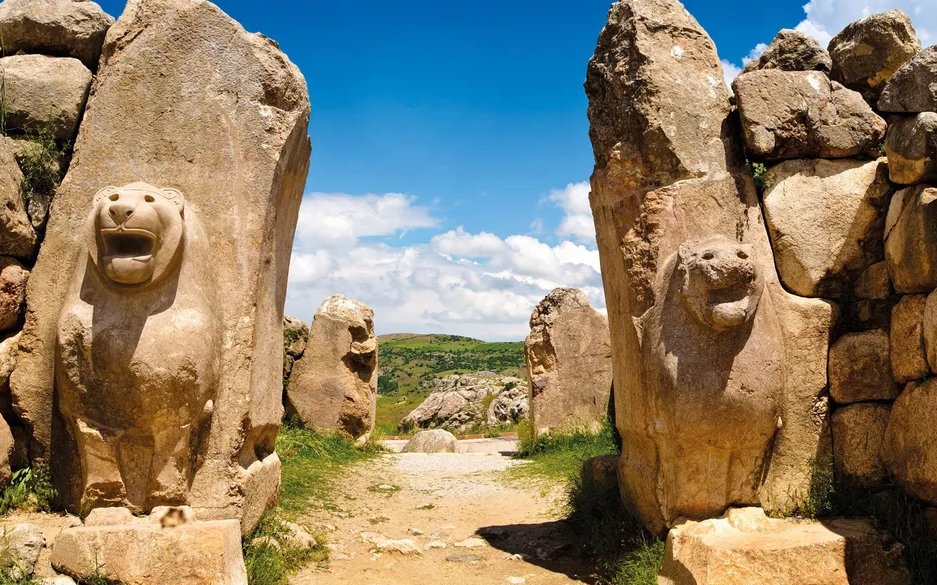
For the first half of the first millennium CE, Himyar was based in what is today Yemen and flourished thanks to its role in inter-regional trade. We’ll discuss the political landscape of ancient southern Arabia, the conversion of the Himyarite dynasty from polytheism to Judaism, and recently published research on environmental factors that contributed to the Himyarite state’s decline and eventual conquest.
Read MoreAnna is sick this week, so we've been unable to record new episodes. But rather than leave you hanging, we're releasing a lightly trimmed version of the latest episode of Old News. We've got human bone jewelry, the first Black Baptist church in colonial America, alleged art crimes, some seriously inclement weather, and more!
Read MoreThis week, Anna and Amber debut a new (occasional) series: Site-Seeing! There are so many archaeological sites out there, and some of them tend to overshadow others. In order to learn about and showcase some lesser-known sites, your hosts will each present a brief exploration of a site previously unknown to either of them. This time, we feature Djenné, an ancient city in what is today Mali, and Ban Chiang, in what is today Thailand.
Read MoreWe've asked this on the show before, but..what did the past smell like? In this episode, we talk about some of the ways that researchers are finding and recreating some ancient aromas. We also get speculative about smellscapes and honk the Clown Horn of Orientalism at some perfumes. Get your sniffers ready, this one's fun!
Read MoreTo wrap up our inaugural Summer Blockbuster series, Amber leads us on a mission to Pandora with Avatar (2009). Rather than exploration of the culture of the indigenous Na’vi population (or maybe in addition to), we’ll examine some of the philosophical underpinnings of the franchise and discuss the book that completely changed Amber's intellectual trajectory.
Read MoreAmber guides Anna through the jungle of the 2006 film Apocalypto...but hopefully a little less racistly than director Mel Gibson did! We’ll talk about human sacrifice, what was (and was not) going on in Maya culture in the 15th century CE, and the movie’s ending that couldn’t be more on the nose if it went “boop!”
Read MoreWelcome to a month of Summer Blockbusters, where we talk about the archaeology in movies that aren't Indiana Jones! This week, it's the 2021 film The Dig, starring Ralph Fiennes and Carey Mulligan. We'll talk a bit about the film, but mostly about the real site portrayed in it--the Anglo Saxon burial at Sutton Hoo. This site was key to rewriting the understanding of post-Roman Britain, and was especially meaningful as a symbol of English national identity during WWII.
Read More“The Sea Peoples” is a term that refers to a seafaring culture of unclear origin that bopped around the eastern Mediterranean and adjoining areas around 1200-900 BCE. There are ancient Egyptian murals and reliefs that depict battles against these unnamed adversaries, but no definitive labels or helpful texts. So who were the Sea Peoples? We’ll discuss some theories, and probably not reach any conclusions apart from “wow people really care a lot about this, huh?”
Read MoreY'all, it has been a TOUGH WEEK. You can tell because Anna somehow manages to get the episode intro WRONG after doing it correctly nearly 200 times. But we're just gonna keep swimming! We couldn’t do a month-at-sea theme without talking about shipwrecks. And it’s not just pirate ships and the Titanic, either. We’ll discuss all kinds of underwater assemblages and the ways in which shipwreck archaeology helps us understand travel, life, commerce, connectivity, and more.
Read MoreAhoy! We’re still at sea, the ocean is still None of Our Business, and yet we’re learning so much about it! This week, we’ve got a special guest to guide us. Christine Bassett is currently a program coordinator for the National Oceanic and Atmospheric Administration’s Weather Program Office (NOAA). Christine collects data from ancient Arctic shell middens to reconstruct climate and sea ice levels for archaeological sites in the Aleutian islands. Tune in to learn how she’s turning thousand-year-old clams into a climate thermometer!
Read MoreTerra nullius is a Latin phrase that has several meanings, in legal discourse and more informally. The literal translation means “nobody’s land,” but historically it has tended to mean something closer to *grabby hands.* What does it mean when a place is considered no one’s? Are there still places where people aren’t? Are there places where we've never been? The answers may surprise you. Or…they might not.
Read MoreWelcome to episode one of our themed month: The Dirt at Sea! The oceans (and seas and lagoons and fjords and so on) have provided people with food and other resources for hundreds of thousands of years. We’ll be discussing some examples of this from the archaeological record. We’ll also investigate how archaeology can get at the relationship between people and the big blue – and it’s much more than just reconstructing ancient coastlines.
Read More