
This week, Anna and Amber tackle the origins of fire use in the hominin archaeological record. We've taken a journalistic approach, so we've got What Fire, Where and When Fire, Why Fire, Who Fire, and How Fire. Plus, how do archaeologists look for evidence of fires that happened up to a million years ago?
You know that cold that made Amber's voice all froggy? Turns out it was COVID. And the flu. But she's on the mend! And to give her time to fully recuperate, we're releasing a portion of the most recent episode of Old News, one of our premium content shows! This batch of news stories includes some Neanderthal food, some African archaeology, some Horse Guy stuff, and more!
This week, Amber is recovering from a nasty cold that has left her normally dulcet tones extremely froggy. So we've made lemons out of that germy lemonade (ew, sorry). It's an episode about the archaeology, prehistory, and history of the common cold! Learn how to tell if a skeleton had the sniffles, figure out if there are ghosts in your colon, uncover the great Vitamin C scam, and more!
Hello and welcome to a new miniseries! We're doing something different this week while Amber is on a whirlwind tour of life admin stuff. In response to some of the conflict over Graham Hancock's Ancient Apocalypse show on Netflix, Anna has been thinking (and writing) about the double-edged sword of creating archaeology content online. Social media can be a useful tool, but it can also be...well, not great. So, we figured, why not cover two types of content in one!
This week, Anna has some big questions about the Pleiades, a group of bright, beautiful stars also known as the Seven Sisters. The myth of seven sisters that were turned into stars is remarkably consistent across multiple cultures. Also, it's always seven sisters, even though you can really only make out six with the naked eye. So what's going on? IS IT ALIENS?? No, of course not. It's much more interesting than that. Tune in to learn just how long humans have been telling each other stories under the stars.
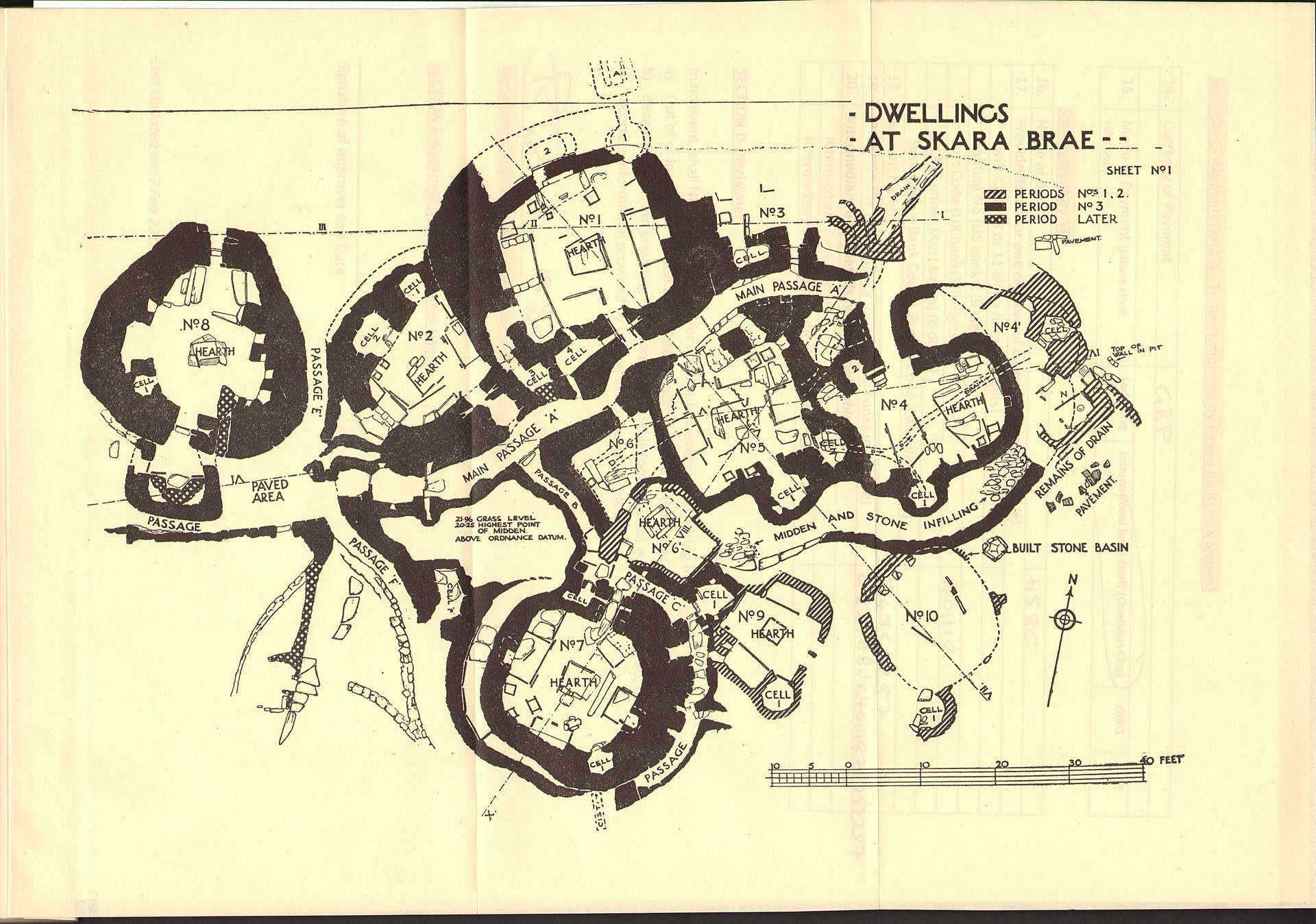
How did Neanderthals organize their domestic spaces? How do you make a cave cozy? How did people keep track of familiar places tens of thousands of years ago? What's cooking at Chez Neanderthal? Tune in to learn more!
Join us for a tasting session along the timewine (TM) of human history! Is the human capacity to digest alcohol an evolutionary advantage? Are drunk apes chill apes? When did the first deliberate grape fermentation occur? How did a Greek wine cauldron end up in a Celtic burial in France? What's up with wine terms?
Anna and Amber chat with Dr. Tracie Canada a socio-cultural anthropologist whose ethnographic research uses sport to theorize race, kinship and care, gender, and the performing body. We talk about the lived experiences of Black athletes, the role of sports in human society, the many health implications of a contact sport, and more.
We’re back! Here’s what’s new, what’s changing, and what will be the same.
Truly we are talking ancient history, since “Cladh Hallan: A Story in Several Parts” was episode 18. That was way back in 2018, long before the content that was migrated to the APN feed. This may be the first time some longtime listeners (including you?) have heard this story, and we’ll round it out with some additional context for the subject matter.
Theater as public entertainment has taken many forms throughout time and among different cultural groups. We’ll hop through various times and places to look at the places where performances were held, the types of pieces performed, and the role of theater as an emotional pocket dimension.
Land Acknowledgement
As science communicators in anthropology and archaeology, we hosts of The Dirt acknowledge that we hold a position of considerable privilege and opportunity, and commit ourselves to continuous learning, unlearning and reflection. We recognize that our disciplines, as well as our own lives, are rooted in and propped up by settler colonialism, white supremacy, and dispossession.
We now reside on the stolen ancestral territory of the Shawnee and Haudenosaunee and on the lands of the Muscogee and Cherokee Nations, but over its lifetime, The Dirt has also been produced on the unceded traditional territory of the Piscataway Conoy and Cedarville Band of Piscataway Indians, as well as that of the Yocha Dehe Wintun Nation, Patwin and Miwok peoples and all those dispossessed by Cession 296. We offer our show as a platform for Indigenous scholarship, history, and cultural expression, through citation and conversation, and we welcome the opportunity to host and compensate Indigenous scholars of archaeology and anthropology as interview guests.
Likewise, we encourage all listeners who reside in settler-colonial states to learn about on whose land they reside, their place in the ongoing process of colonization, and how to contribute materially to reparations and Indigenous sovereignty.

The first of our Pass the Mic grantees joins us this week to talk about communities in New Mexico that have historically had a complex relationship with substance use, recovery, and the legal system. Danielle's work focuses on recovery efforts of the past 50 years as a way to understand the changing relationship between recovery science, medicine, and the power of a community to re-shape that relationship.